
Local transportation plays an important role in making travel easier, affordable, and more enjoyable for tourists. After reaching a new destination, travelers need reliable ways to move between airports, hotels, attractions, restaurants, and local areas. Understanding how local transportation works helps tourists save time, manage expenses, and explore destinations more confidently.
Every city and country has different transportation systems based on geography, population, infrastructure, and travel needs. Some places have advanced metro networks, while others depend on buses, taxis, shared vehicles, bicycles, or local transport services.
For tourists, learning about available transportation options before visiting a destination can improve the overall travel experience. Choosing the right transportation method allows travelers to explore more places while avoiding unnecessary costs and difficulties.
Understanding Local Transportation Systems
Local transportation refers to the services and methods used for traveling within a city, town, or tourist destination. These systems are designed to help residents and visitors move from one location to another efficiently.
Common forms of local transportation include buses, trains, metro systems, taxis, ride-sharing services, rental vehicles, bicycles, and walking routes.
Tourists usually select transportation based on factors such as distance, budget, convenience, safety, and travel time.
A well-connected local transportation system makes it easier for visitors to experience attractions, understand local culture, and travel independently.
Public Transportation for Tourists
Public transportation is one of the most affordable ways for tourists to explore a destination. Many cities provide extensive networks of buses, trains, and metro services that connect important areas.
Buses are commonly available in urban and rural areas and can help travelers reach popular attractions, shopping areas, and residential locations.
Metro and subway systems are especially useful in large cities because they help tourists avoid traffic and reach destinations quickly.
Public transportation often provides an opportunity to experience local life and understand how residents travel daily.
However, tourists should learn basic information such as routes, ticket systems, operating hours, and payment methods before using public transport.
How Metro and Train Systems Help Travelers
Metro and train networks are among the most efficient transportation options in busy cities.
They usually provide fast and reliable travel between major locations. Tourists often prefer metro systems because they reduce travel time and offer affordable fares.
Many cities provide travel cards, digital tickets, or passes that allow unlimited travel for a specific period.
Before using metro services, tourists should understand station maps, route directions, and transfer points.
Learning how to use train systems can make city exploration easier and more convenient.
Role of Taxis and Ride-Sharing Services
Taxis and ride-sharing services provide flexible transportation options for tourists who need direct travel.
Unlike public transportation, taxis allow travelers to reach specific locations without changing routes or waiting at multiple stops.
Ride-sharing services available through mobile applications have become popular because they provide estimated fares, digital payments, and location tracking.
Taxis are especially useful when traveling with luggage, during late hours, or when visiting places with limited public transport.
Tourists should always use trusted transportation providers and confirm pricing methods to avoid misunderstandings.
Renting Cars and Private Vehicles
Car rentals provide freedom and flexibility for tourists who want to explore destinations at their own pace.
Renting a vehicle can be useful for visiting areas that are far from public transportation routes, such as countryside locations, natural attractions, or remote destinations.
However, tourists should consider factors such as driving rules, road conditions, parking availability, fuel costs, and local regulations.
Some destinations may have heavy traffic or limited parking, making public transportation a better option.
Choosing between rental vehicles and other transport options depends on the destination and travel plans.
Importance of Walking and Cycling Options
Walking is one of the simplest ways to explore many tourist destinations.
Historic areas, markets, cultural streets, and city centers are often best experienced on foot. Walking allows travelers to discover hidden locations, local shops, and unique experiences that may be missed while using vehicles.
Many destinations also provide bicycle rental services for tourists.
Cycling is an affordable, environmentally friendly, and healthy way to explore cities and scenic areas.
Before walking or cycling, tourists should consider weather conditions, safety, road systems, and distance.
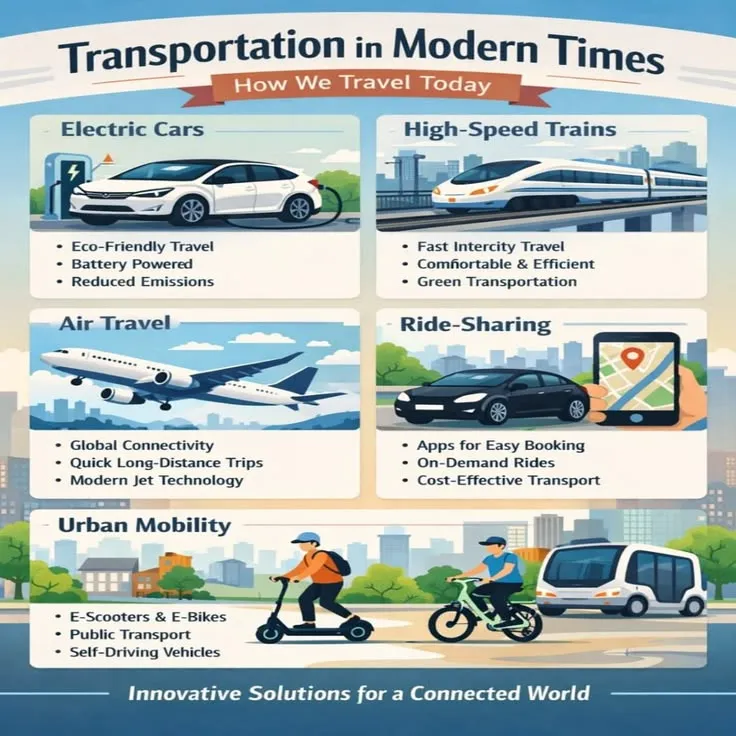
Digital Technology and Travel Transportation
Technology has transformed the way tourists use local transportation.
Mobile applications now help travelers check routes, compare transportation options, estimate travel times, and make digital payments.
Navigation tools allow tourists to find nearby stations, attractions, and transportation services easily.
Digital ticketing systems have also made travel more convenient by reducing the need for physical tickets.
Technology helps tourists feel more confident when exploring unfamiliar destinations.
Understanding Transportation Costs
Managing transportation expenses is an important part of travel planning.
Different transportation options have different costs depending on distance, location, and service type.
Public transportation is generally more affordable, while private taxis and rental vehicles may offer more convenience at a higher cost.
Tourists should research transportation prices and include travel expenses in their overall budget.
Many destinations offer daily or weekly travel passes that can help visitors save money.
Planning transportation expenses in advance prevents unexpected costs during the trip.
Safety Tips for Using Local Transportation
Safety should always be a priority when using local transportation in unfamiliar places.
Tourists should keep personal belongings secure, avoid unsafe travel options, and remain aware of their surroundings.
Using official transportation services and following local guidelines reduces travel risks.
Travelers should also keep important information such as emergency contacts and accommodation details easily available.
Being prepared helps tourists travel comfortably and confidently.
Language and Communication Challenges
Language differences can sometimes make local transportation difficult for tourists.
Understanding basic local words related to directions, tickets, and locations can be helpful.
Many modern transportation systems provide information in multiple languages, especially in popular tourist destinations.
Using translation tools, maps, and digital applications can also help overcome communication challenges.
Good preparation makes transportation easier and reduces confusion.
How Tourists Can Plan Local Transportation Before Traveling
Researching transportation options before a trip helps tourists make better decisions.
Travelers should learn about available transport systems, operating hours, payment methods, and estimated costs.
Creating a simple travel plan with important locations and transportation routes can save time.
It is also useful to understand whether transportation services are available during holidays, weekends, or late-night hours.
Preparation allows tourists to focus more on enjoying their destination.
Benefits of Understanding Local Transportation
Knowing how local transportation works provides many advantages for tourists.
It helps reduce travel expenses, improves time management, and allows visitors to explore more attractions.
Tourists who understand transportation systems often feel more independent and confident.
Efficient transportation planning also reduces stress and creates a smoother travel experience.
A good understanding of local travel options can make a major difference in the quality of a trip.
Common Transportation Mistakes Tourists Should Avoid
Many tourists face problems because of poor transportation planning.
Common mistakes include ignoring local travel rules, choosing expensive options unnecessarily, failing to check routes, and traveling without understanding payment systems.
Another mistake is depending only on one transportation method without considering alternatives.
Researching different options helps tourists avoid these challenges.
Frequently Asked Questions (FAQs)
What is the best transportation option for tourists?
The best option depends on the destination, budget, travel distance, and personal convenience. Public transport, taxis, rentals, and walking all have different advantages.
Is public transportation safe for tourists?
In many destinations, public transportation is safe when travelers follow local guidelines and remain aware of their surroundings.
How can tourists save money on local transportation?
Tourists can save money by using public transportation, purchasing travel passes, walking when possible, and planning routes efficiently.
Conclusion
Local transportation is an essential part of every travel experience. Understanding how buses, trains, taxis, rental vehicles, and other transportation options work helps tourists explore destinations more easily and confidently.
With proper planning, travelers can save money, avoid unnecessary stress, and enjoy more experiences during their journey.
Whether visiting a major city or a peaceful tourist destination, learning about local transportation systems allows travelers to connect with places in a smarter and more convenient way. A well-planned transportation strategy can turn a simple trip into a comfortable and memorable adventure.
