
Connected cars are transforming the modern transportation industry by combining vehicles with advanced digital technologies, communication systems, and internet connectivity. Unlike traditional vehicles, connected cars can exchange information with drivers, other vehicles, smart devices, and external systems to improve safety, convenience, and driving experiences.
With the growth of artificial intelligence, sensors, cloud technology, and wireless communication, vehicles are becoming smarter and more efficient. Connected car technology allows drivers to access real-time information, receive safety alerts, monitor vehicle conditions, and enjoy advanced entertainment features.
The development of connected cars represents a major shift in how people interact with vehicles. These smart vehicles are not only designed for transportation but also provide intelligent services that improve everyday mobility.
What Are Connected Cars?
Connected cars are vehicles equipped with internet connectivity and communication technologies that allow them to share and receive data. These vehicles use sensors, software, and communication networks to collect information and provide useful services to drivers.
A connected car can communicate with external systems such as traffic networks, mobile applications, navigation services, and other connected vehicles. This communication helps improve driving efficiency and safety.
Unlike autonomous vehicles, connected cars do not necessarily drive themselves. Instead, they provide digital features that assist drivers and improve vehicle performance.
Connected car technology focuses on creating a more informed, convenient, and connected driving experience.
How Connected Car Technology Works
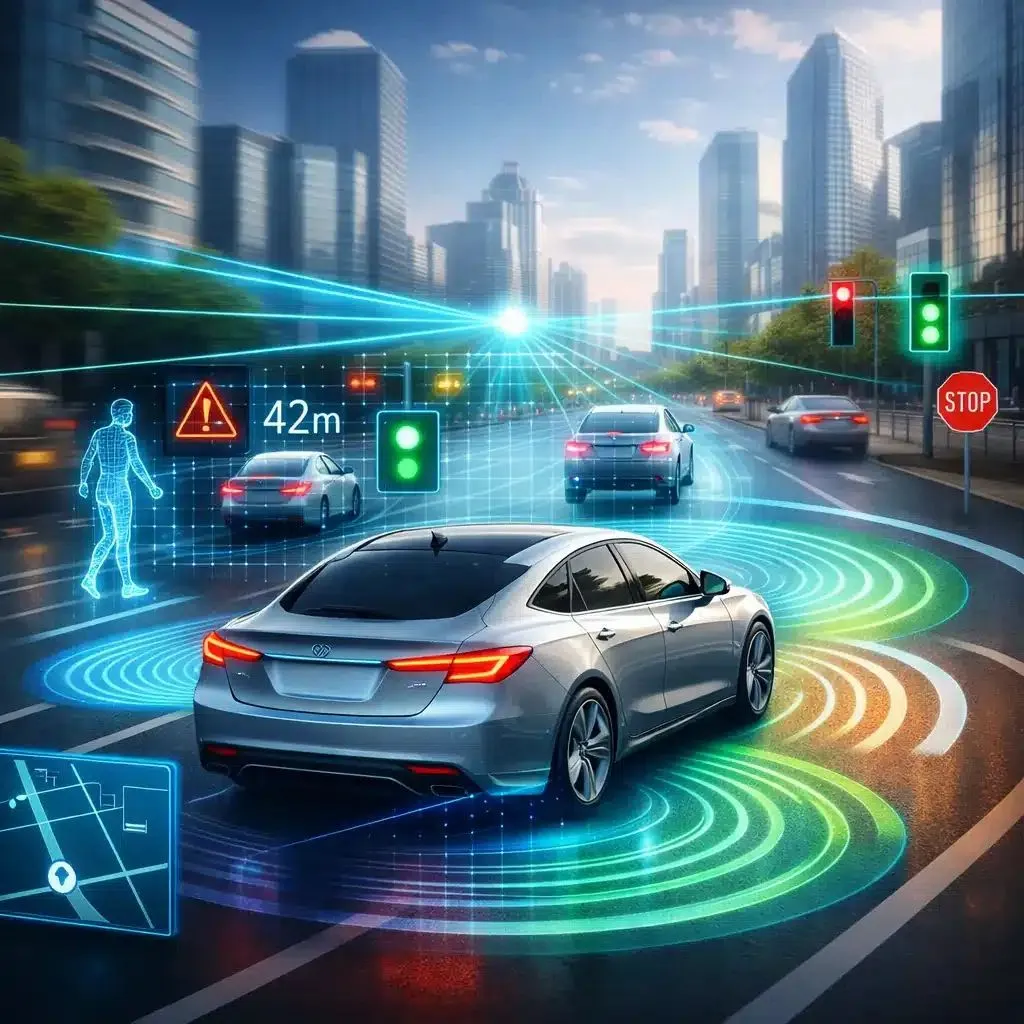
Connected cars operate through a combination of hardware and software systems. Sensors installed throughout the vehicle collect information about driving conditions, vehicle performance, and surroundings.
This data is processed through onboard computer systems and transmitted using wireless communication networks. Cloud platforms analyze the collected information and provide useful insights or services to drivers.
Mobile applications allow users to interact with their vehicles remotely. For example, drivers may check vehicle status, locate their car, or receive maintenance notifications through connected services.
The combination of sensors, connectivity, data processing, and digital platforms allows connected cars to function as intelligent transportation systems.
Key Technologies Behind Connected Cars
Several advanced technologies work together to make connected cars possible.
Internet connectivity is one of the most important components. Vehicles use wireless networks to communicate with external systems and provide real-time services.
Sensors play a major role by collecting information about vehicle speed, location, engine condition, surroundings, and driver behavior.
Artificial intelligence helps analyze large amounts of data and improve decision-making. AI systems can support features such as predictive maintenance, driver assistance, and personalized recommendations.
Cloud computing allows vehicles to store and process large amounts of information while providing continuous software improvements.
GPS technology supports navigation services and location-based features.
Together, these technologies create a smarter and more connected driving environment.
Advanced Features of Connected Cars
Connected cars offer many features designed to improve convenience and safety.
One common feature is real-time navigation. Connected navigation systems provide updated traffic information, route suggestions, and location services to help drivers reach destinations efficiently.
Remote vehicle control allows drivers to perform certain actions using smartphone applications. Depending on the vehicle system, users may check fuel levels, monitor vehicle status, lock or unlock doors, or locate their parked vehicle.
Vehicle health monitoring systems track important performance information and alert drivers about possible maintenance requirements.
Entertainment and communication features allow drivers and passengers to access digital services, hands-free communication, and personalized settings.
These features make driving more convenient and enjoyable.
Safety Benefits of Connected Cars
One of the biggest advantages of connected car technology is improved road safety.
Connected vehicles can provide drivers with important information about road conditions, traffic situations, and potential hazards.
Communication between vehicles can help share information about sudden braking, accidents, or dangerous conditions. This allows drivers to respond more quickly.
Advanced driver assistance systems use connected technology to support safer driving through features such as collision warnings, lane assistance, and emergency alerts.
Connected cars can also provide automatic emergency notifications in certain situations, helping emergency services respond faster.
By improving awareness and communication, connected vehicles contribute to safer transportation systems.
Improving Driving Convenience
Connected cars simplify many everyday driving tasks.
Drivers can access important vehicle information without manually checking different systems. Digital dashboards provide updates about vehicle performance, navigation, and driving conditions.
Smartphone integration allows users to connect personal devices and access digital services while traveling.
Connected systems can also remember driver preferences, including seat settings, climate control preferences, and entertainment choices.
These personalized features create a more comfortable driving experience.
Benefits of Connected Cars for Vehicle Maintenance
Connected technology helps improve vehicle maintenance by providing real-time information about vehicle health.
Traditional maintenance often depends on scheduled service intervals, but connected cars can monitor actual vehicle conditions and provide alerts when attention is needed.
Predictive maintenance systems analyze vehicle data to identify potential problems before they become serious.
This approach can reduce unexpected breakdowns, improve vehicle reliability, and help owners manage maintenance costs more effectively.
Role of Connected Cars in Smart Cities
Connected cars are becoming an important part of smart city development.
In smart cities, vehicles can communicate with traffic systems, road infrastructure, and transportation networks to improve mobility.
Connected technology can help manage traffic flow, reduce congestion, and improve road efficiency.
For example, vehicles may receive information about traffic conditions and choose better routes, reducing unnecessary delays.
The integration of connected vehicles with smart city systems can create more organized and sustainable transportation networks.
Environmental Benefits of Connected Cars
Connected cars can contribute to more efficient and environmentally friendly transportation.
Real-time traffic information helps drivers choose efficient routes and avoid unnecessary fuel consumption caused by congestion.
Vehicle monitoring systems can improve driving efficiency by analyzing performance and providing useful recommendations.
Connected technology also supports electric vehicles by helping users monitor battery status, charging locations, and energy usage.
As transportation moves toward cleaner solutions, connected technology will play an important role in improving efficiency.
Challenges of Connected Car Technology
Despite many benefits, connected cars also face several challenges.
Data security and privacy are major concerns because connected vehicles collect and exchange large amounts of information.
Manufacturers must develop strong security systems to protect vehicles from unauthorized access and cyber threats.
Another challenge is the cost of implementing advanced technology. Connected features may increase vehicle prices, making accessibility a concern for some consumers.
Reliable internet connectivity is also necessary for many connected services to function effectively.
Addressing these challenges is important for the widespread adoption of connected vehicles.
The Future of Connected Cars
The future of connected cars is expected to include even more advanced technologies and improved communication systems.
Artificial intelligence, faster communication networks, and advanced sensors will continue improving vehicle intelligence.
Connected cars may become more integrated with autonomous driving systems, smart infrastructure, and personalized mobility services.
Future vehicles are expected to provide more automated assistance, improved safety features, and better energy efficiency.
As technology continues to develop, connected cars will play a major role in shaping the future of transportation.
Frequently Asked Questions (FAQs)
What is the main purpose of connected cars?
The main purpose of connected cars is to improve vehicle communication, safety, convenience, and driving efficiency through digital technologies.
Are connected cars the same as self-driving cars?
No, connected cars use technology to share information and assist drivers, while self-driving cars are designed to operate with greater levels of automation.
How do connected cars improve safety?
Connected cars improve safety by providing real-time information, driver assistance features, emergency alerts, and communication with other systems.
Conclusion
Connected cars represent a major advancement in automotive technology by combining vehicles with digital communication systems, artificial intelligence, and smart features. These vehicles provide improved safety, better convenience, efficient maintenance, and enhanced driving experiences.
Although challenges such as cybersecurity and technology costs remain, continuous innovation is making connected vehicles more practical and accessible.
As transportation continues to evolve, connected cars will become an important part of modern mobility, creating safer, smarter, and more efficient journeys for drivers around the world.
