
Cybersecurity threats have become one of the biggest challenges for businesses, organizations, and individuals in today’s digital world. As more personal information, financial data, and business operations move online, cybercriminals continue developing new methods to steal information, disrupt systems, and exploit vulnerabilities.
Cybersecurity threat detection is the process of identifying suspicious activities, security weaknesses, and potential attacks before they cause serious damage. It combines advanced technologies, monitoring systems, human expertise, and security practices to protect digital environments.
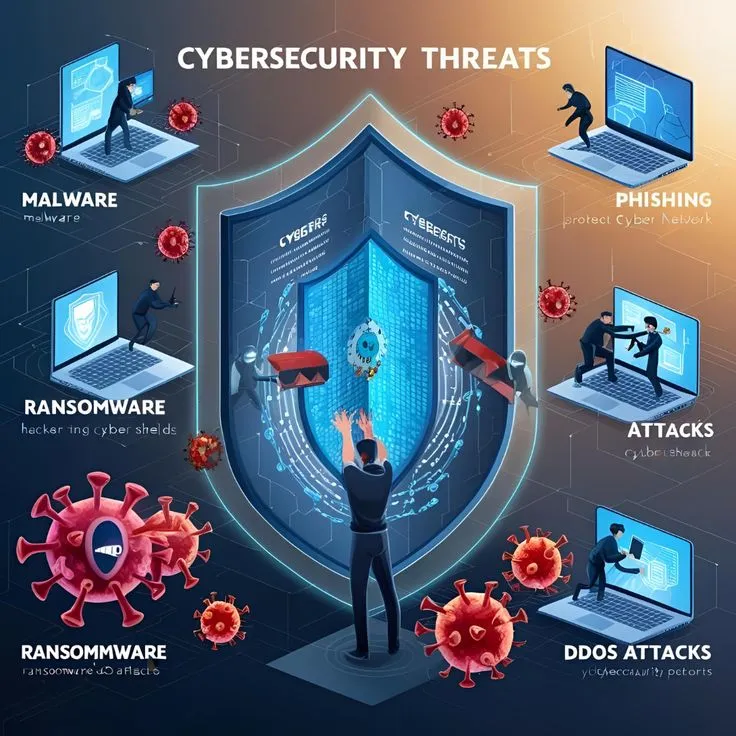
From malware and phishing attacks to ransomware and unauthorized access attempts, early detection plays a critical role in reducing risks. Understanding how cybersecurity threats are detected helps businesses and individuals take better steps to protect valuable data.
Understanding Cybersecurity Threat Detection
Cybersecurity threat detection involves identifying possible security incidents by analyzing digital activities, network behavior, and system changes.
Security teams use different tools and techniques to monitor devices, applications, networks, and user activities. These systems look for unusual patterns that may indicate an attempted attack.
The goal of threat detection is not only to identify existing threats but also to predict potential risks before they become serious problems.
Effective detection systems help organizations respond quickly, minimize damage, and strengthen their overall security structure.
Monitoring Network Activity
One of the most common ways cybersecurity threats are detected is through network monitoring.
Networks constantly generate large amounts of data as users access applications, transfer files, and communicate with systems. Security tools analyze this activity to identify unusual behavior.
For example, sudden increases in network traffic, unknown connections, or unusual data transfers may indicate suspicious activity.
Network monitoring systems can detect possible attacks such as unauthorized access attempts, malware communication, or data theft activities.
Continuous monitoring allows security teams to identify problems early and take preventive action.
Using Artificial Intelligence and Machine Learning
Artificial intelligence and machine learning have become important technologies in cybersecurity threat detection.
Traditional security methods often rely on known attack patterns, but modern threats can change quickly. AI-based systems analyze large amounts of information and identify unusual behaviors that may indicate new threats.
Machine learning algorithms learn from previous security events and improve their ability to recognize suspicious activities.
These technologies can help detect complex attacks, identify abnormal user behavior, and reduce the time needed to respond to security incidents.
AI does not replace cybersecurity experts but supports them by improving speed and accuracy.
Detecting Malware and Suspicious Software
Malware detection is an important part of cybersecurity protection. Malware includes harmful programs designed to damage systems, steal information, or gain unauthorized access.
Security software scans files, applications, and system activities to identify malicious behavior.
Threat detection tools compare suspicious files against known malware patterns and analyze their behavior.
Advanced systems can also detect previously unknown malware by identifying unusual actions, such as unauthorized system changes or suspicious communication.
Regular security updates help detection tools recognize new forms of malware.
Identifying Phishing and Social Engineering Attacks
Many cyberattacks target people instead of directly attacking technology. Phishing and social engineering attacks manipulate users into revealing sensitive information or performing unsafe actions.
Cybersecurity systems help detect phishing attempts by analyzing emails, messages, website links, and communication patterns.
Security tools can identify suspicious senders, harmful links, fake websites, and unusual requests.
However, human awareness remains an important part of protection because attackers often use psychological techniques to influence decisions.
Training employees and users to recognize warning signs helps reduce successful phishing attacks.
User Behavior Monitoring
User behavior analysis is another method used to detect cybersecurity threats.
Security systems monitor normal user activities, such as login locations, access patterns, and application usage.
If a user suddenly accesses unusual files, logs in from an unfamiliar location, or performs unexpected actions, the system may identify it as suspicious.
Behavior monitoring helps detect insider threats, stolen accounts, and unauthorized access.
By understanding normal behavior patterns, security systems can identify activities that require further investigation.
Security Information and Event Management Systems
Security Information and Event Management systems collect and analyze security data from different sources.
These systems gather information from servers, applications, network devices, and security tools to create a complete view of potential threats.
They analyze security events in real time and alert security teams about suspicious activities.
This centralized approach helps organizations manage large amounts of security information and respond faster to incidents.
Vulnerability Scanning and Security Testing
Cybersecurity threats often exploit weaknesses in software, systems, or networks.
Vulnerability scanning helps organizations identify security gaps before attackers discover them.
Security tools scan systems for outdated software, incorrect configurations, and known weaknesses.
Regular security testing allows businesses to fix vulnerabilities and strengthen their defenses.
Preventing security issues before attacks occur is an important part of effective cybersecurity management.
Endpoint Security and Device Protection
Modern businesses use many connected devices, including computers, smartphones, and other digital equipment. Each device can become a possible entry point for cyber threats.
Endpoint security systems monitor and protect individual devices connected to a network.
These tools detect suspicious activities, block harmful software, and provide alerts when security problems occur.
Protecting endpoints is essential because attackers often target devices to gain access to larger systems.
Threat Intelligence and Data Analysis
Cybersecurity professionals use threat intelligence to understand current and emerging risks.
Threat intelligence involves collecting information about cyber threats, attacker methods, and security trends.
Security teams analyze this information to improve detection methods and prepare for possible attacks.
Understanding how attackers operate helps organizations create stronger protection strategies.
Threat intelligence allows businesses to move from a reactive approach to a more proactive security approach.
Importance of Real-Time Alerts
Fast detection is essential because cybersecurity attacks can spread quickly.
Real-time alerts notify security teams when suspicious activity is detected. These alerts allow experts to investigate problems and take immediate action.
Quick response can reduce the impact of attacks, prevent data loss, and protect important systems.
Organizations that rely on delayed detection may face greater damage from security incidents.
Human Expertise in Cybersecurity Detection
Although technology plays an important role, cybersecurity experts remain essential for effective threat detection.
Security professionals analyze alerts, investigate incidents, and make decisions about response actions.
Automated systems may identify suspicious behavior, but human expertise helps determine whether an activity is a real threat.
Continuous training and cybersecurity knowledge help professionals stay prepared against evolving threats.
Challenges in Detecting Cybersecurity Threats
Detecting cybersecurity threats is becoming more challenging because attackers continue developing advanced techniques.
The increasing number of connected devices creates more potential security risks. Large amounts of digital data also make it difficult to identify important security signals.
Cybercriminals use advanced methods to avoid detection, making continuous improvement necessary.
Organizations must regularly update security systems, train employees, and improve monitoring strategies.
Best Practices for Better Cybersecurity Protection
Businesses and individuals can improve cybersecurity protection by following effective security practices.
Keeping software updated, using strong passwords, enabling multi-factor authentication, and regularly backing up important data are essential steps.
Organizations should also conduct security training, monitor systems regularly, and create response plans for possible incidents.
A combination of technology, awareness, and responsible digital behavior provides stronger protection against cyber threats.
Frequently Asked Questions (FAQs)
How are cybersecurity threats detected?
Cybersecurity threats are detected through network monitoring, artificial intelligence, security tools, behavior analysis, and expert investigation.
Why is early threat detection important?
Early detection helps prevent data loss, reduce damage, and allow faster response to cyberattacks.
Can artificial intelligence improve cybersecurity?
Yes, AI can analyze large amounts of data, identify unusual patterns, and improve the speed of threat detection.
Conclusion
Cybersecurity threat detection is an essential part of protecting businesses and personal data in the digital age. As cyber threats become more advanced, organizations need strong detection systems that combine technology, monitoring, and human expertise.
Network analysis, artificial intelligence, malware detection, user behavior monitoring, and threat intelligence all play important roles in identifying security risks.
By detecting threats early and following strong cybersecurity practices, businesses and individuals can reduce risks and create safer digital environments. Effective cybersecurity is not only about responding to attacks but also about preventing them before they cause serious harm.
