
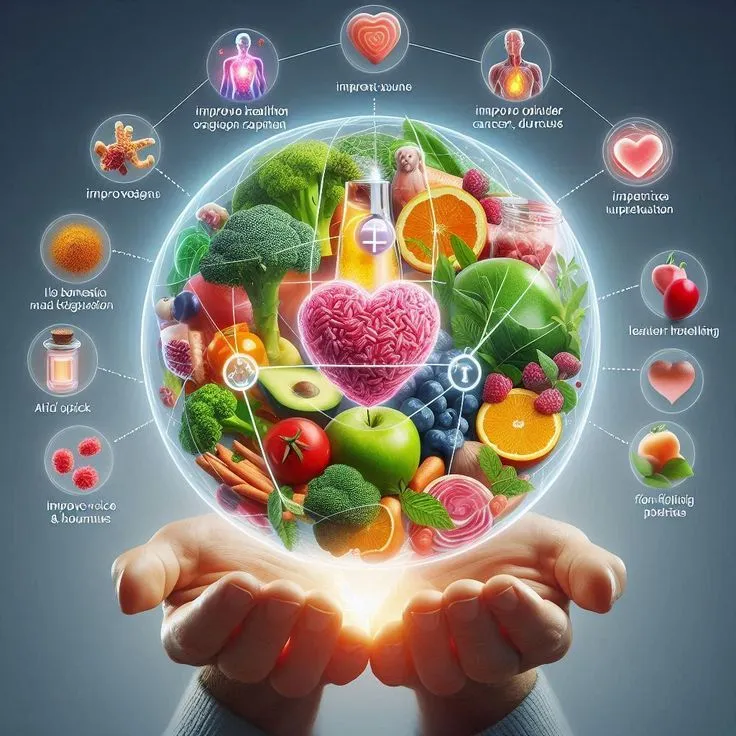
Diet plays a major role in maintaining human health and overall well-being. The food people consume provides essential nutrients that support body functions, energy production, immunity, growth, and disease prevention. A balanced diet is not only about controlling weight but also about improving physical and mental health.
The connection between diet and human health has been studied extensively because nutrition influences almost every part of the body. Poor eating habits can increase the risk of various health problems, while a nutritious diet can help the body function effectively and maintain long-term wellness.
Understanding how food affects the body helps individuals make better choices and develop healthier lifestyle habits. A balanced approach to nutrition can improve energy levels, support body systems, and contribute to a better quality of life.
Understanding the Importance of a Balanced Diet
A balanced diet includes different types of foods that provide essential nutrients required by the body. No single food contains all the nutrients needed for good health, which is why variety is an important part of healthy eating.
The body requires carbohydrates, proteins, healthy fats, vitamins, minerals, fiber, and water to perform daily functions properly. Each nutrient has a specific role, from providing energy to supporting immunity and repairing body tissues.
A balanced diet helps maintain normal body functions and supports physical and mental performance. It also helps prevent nutritional deficiencies that may affect health over time.
Healthy eating is not about completely avoiding certain foods but about maintaining the right balance and choosing nutritious options regularly.
How Diet Provides Energy for Daily Activities
Food is the primary source of energy that allows people to perform daily activities. The body converts nutrients from food into energy required for movement, thinking, breathing, and other essential processes.
Carbohydrates are one of the main energy sources used by the body. They are found in foods such as grains, fruits, vegetables, and legumes.
Proteins and fats also contribute to energy production while performing additional roles in the body.
A diet that provides adequate energy helps improve concentration, physical performance, and overall productivity. However, consuming more energy than the body needs may contribute to weight gain and other health concerns.
Maintaining a balance between energy intake and physical activity is important for healthy living.
Role of Nutrition in Strengthening Immunity
A healthy immune system protects the body from infections and illnesses. Proper nutrition supports immune function by providing important vitamins, minerals, and antioxidants.
Nutrients such as vitamin C, vitamin D, zinc, and protein contribute to normal immune system functioning.
Fruits, vegetables, nuts, seeds, and other nutrient-rich foods contain compounds that support the body’s natural defense mechanisms.
A poor diet lacking essential nutrients may weaken immunity and make the body more vulnerable to health problems.
Maintaining a nutritious eating pattern helps provide the resources needed for a strong and effective immune system.
Impact of Diet on Heart Health
Diet has a significant connection with cardiovascular health. The foods people consume can influence cholesterol levels, blood pressure, and overall heart function.
Eating more fruits, vegetables, whole grains, and healthy fats can support heart health. These foods provide important nutrients and fiber that contribute to better cardiovascular function.
On the other hand, excessive consumption of highly processed foods, unhealthy fats, and excessive sugar may increase health risks when consumed regularly.
Making heart-friendly food choices as part of a balanced lifestyle can support long-term wellness and reduce the risk of heart-related problems.
Connection Between Diet and Mental Health
Nutrition does not only affect physical health; it also influences mental well-being. The brain requires various nutrients to function properly and maintain concentration, mood, and cognitive performance.
A balanced diet provides nutrients that support brain health and normal nervous system function.
Poor eating habits may affect energy levels, focus, and emotional well-being. Regular consumption of nutritious foods helps support better mental performance.
A healthy lifestyle that combines good nutrition, physical activity, and proper sleep contributes to overall mental wellness.
Importance of Protein for Body Functions
Protein is an essential nutrient required for building and repairing body tissues. It supports muscle development, enzyme production, hormone regulation, and many other important processes.
Protein sources include dairy products, eggs, fish, meat, beans, lentils, nuts, and seeds.
Adequate protein intake is especially important for growing children, active individuals, and older adults who need support for maintaining muscle health.
Including sufficient protein in daily meals helps the body repair itself and maintain strength.
Importance of Vitamins and Minerals
Vitamins and minerals are required in small amounts but play important roles in maintaining health.
Vitamins support various body functions, including immunity, vision, energy production, and cell growth. Minerals such as calcium, iron, and potassium help maintain strong bones, healthy blood cells, and proper body functions.
A diet rich in fruits, vegetables, whole grains, and other natural foods usually provides many essential vitamins and minerals.
A lack of important nutrients can lead to deficiencies that affect health and daily functioning.
Role of Fiber in Digestive Health
Fiber is an important part of a healthy diet because it supports proper digestion.
Foods rich in fiber include fruits, vegetables, whole grains, and legumes. Fiber helps maintain regular bowel movements and supports a healthy digestive system.
A fiber-rich diet may also help people feel full for longer periods, which can support healthy weight management.
Including a variety of fiber sources in meals improves digestive health and contributes to overall wellness.
Connection Between Diet and Healthy Weight Management
Diet is one of the most important factors influencing body weight. Maintaining a healthy weight requires balancing calorie intake with the body’s energy needs.
A nutritious diet focuses on quality foods rather than only reducing food quantity. Choosing whole foods, controlling portion sizes, and limiting excessive processed foods can support healthy weight management.
Crash diets and extreme restrictions may not provide sustainable results and can affect nutritional balance.
A long-term approach that includes healthy eating habits and regular physical activity is more effective for maintaining wellness.
Importance of Hydration Along With Diet
Water is an essential part of a healthy lifestyle. Proper hydration supports digestion, temperature regulation, nutrient transportation, and many other body functions.
Although water is not considered a nutrient like vitamins or minerals, it is necessary for maintaining normal body processes.
A balanced diet should always be combined with adequate fluid intake to support overall health.
Healthy Eating Habits for Better Wellness
Developing healthy eating habits can make a significant difference in overall health.
Eating a variety of foods, including more fruits and vegetables, choosing whole grains, maintaining balanced meals, and reducing excessive processed foods are important steps toward better nutrition.
Planning meals in advance can also help individuals make healthier choices and avoid unhealthy eating patterns.
Small, consistent changes in food habits can create long-term improvements in health.
Common Diet Mistakes That Affect Health
Many people make dietary mistakes that can negatively affect wellness. Skipping meals, consuming too many processed foods, drinking excessive sugary beverages, and following unbalanced diets are common issues.
Another mistake is focusing only on weight loss instead of overall nutrition.
A healthy diet should provide essential nutrients while supporting energy, strength, and overall body functions.
Understanding personal nutritional needs helps individuals make better food decisions.
Frequently Asked Questions (FAQs)
How does diet affect overall health?
Diet affects energy levels, immunity, digestion, mental health, weight management, and the proper functioning of body systems.
What is the most important part of a healthy diet?
A balanced diet that includes a variety of nutrient-rich foods is important for maintaining good health.
Can healthy eating improve quality of life?
Yes, nutritious food choices can support physical health, mental wellness, and long-term lifestyle improvements.
Conclusion
The connection between diet and human health is fundamental to achieving better wellness. Food provides the nutrients required for energy, immunity, body repair, and proper functioning of vital systems.
A balanced diet combined with healthy lifestyle habits can improve overall health and reduce the risk of many health problems. Making informed food choices does not require extreme changes; small and consistent improvements can create meaningful benefits over time.
By understanding the importance of nutrition and adopting healthier eating habits, individuals can support their body, improve daily performance, and build a stronger foundation for lifelong wellness.
